Linner Mercury Reviews: See Why 0 Shoppers Rated It 0 Stars!
Before you decide on the Linner Mercury, see what real folks think. These 0 Linner hearing aids reviews reveal what’s great — and what’s missing.
 Supermod
 Moderator
 Recaptor
Linner Mercury Hearing Aids: A Solid Choice for Mild to Severe Hearing Loss
The Linner Mercury hearing aids stand out in the receiver-in-canal category as a 2023 release designed to address a broad range of hearing challenges from mild to severe loss. These devices target adults seeking reliable, rechargeable hearing aids with a discreet and ergonomic fit. Based on its specs, the Mercury delivers a compelling mix of advanced sound processing technologies and user-friendly convenience, making it an attractive option for those prioritizing durability and moderate tech features without app dependency. This review delves into its detailed specifications and assesses what these mean for everyday users.
Detailed Specs & Features
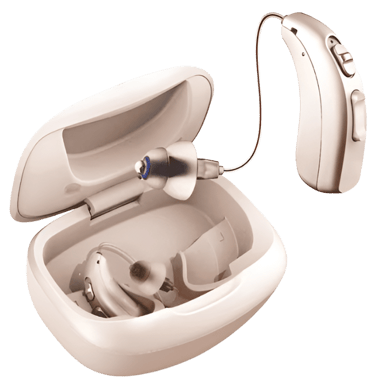
On paper, the Linner Mercury offers a rechargeable lithium-ion battery with a capacity of 300 mAh providing up to 20 hours of usage per full charge - a solid figure for daily wear without frequent recharging interruptions. Its fast USB-C charging and accompanying charging case enhance convenience, although wireless charging is absent. The device sports a frequency range from 200 to 5800 Hz and a maximum output sound pressure level (SPL) of 117 dB, supporting users with hearing loss up to a severe degree. Digital sound processing with 16 channels and bands helps fine-tune the hearing experience, while advanced noise reduction and high-strength feedback cancellation aim to deliver clearer audio in various environments. Ergonomically, the device features a receiver-in-canal design, compatible with both ears, and comes equipped with silicone ear tips in multiple sizes to ensure comfort and a discreet fit. The inclusion of program presets - Indoor, Commute, and Outdoor - plus adaptive directionality for environmental sound classification, reflect thoughtful adjustments to real-world listening scenarios. The hearing aids also boast an FCC compliance and meet IEC standards, adding a layer of regulatory trust, while the 1-year warranty period backs quality assurance.
User Experience & Performance (Based on Specs)
Design & Build
The Mercury weighs just 0.14 ounces, contributing to an almost negligible feel when worn. Its receiver-in-canal style and ergonomic design promote both discreetness and comfort, supported by silicone tips available in small, medium, and large sizes. Compatibility with glasses is a notable plus, given how many users wear eyewear alongside hearing devices. Though the device lacks water and dust resistance certifications, the operating range from 32 to 104°F and 80% humidity tolerance position it to handle common indoor and outdoor temperature fluctuations globally.
Performance
Equipped with digital sound processing across 16 channels, the Mercury prioritizes clarity and adaptability, evidenced by features like adaptive gain control and automatic volume adaptation. Its advanced noise reduction and feedback suppression system, rated as high cancellation strength, are designed to minimize whistling and background disturbances effectively. Although lacking advanced Bluetooth connectivity or streaming capabilities, the device's focus on core hearing enhancement rather than multimedia integration keeps it straightforward, ideal for users seeking uncomplicated, effective amplification.
Indicators & Controls
User control is handled via push buttons with a LED indicator displaying power and battery status. This visual feedback enhances usability, although the lack of voice prompts or low battery warnings might present a learning curve for some. The presence of a power save mode suggests intelligent energy use, extending battery life during periods of inactivity.
Extra Features
While the Mercury doesn't integrate AI-assisted adjustments or remote fitting capabilities, it compensates with reliable feedback learning and sound scene classification to tailor the audio experience in real-time. The absence of tinnitus masking or spatial sound processing might limit appeal to users with specific needs, but for general amplification, it remains well-equipped.
Pros & Cons
Pros
- Long battery life with fast USB-C charging
- Advanced digital sound processing with 16 channels
- Comfortable and discreet ergonomic receiver-in-canal design
- Compliance with FCC and IEC standards offering regulatory confidence
- Multiple program presets for varied listening environments
Cons
- No Bluetooth or wireless streaming features
- Lacks advanced sound enhancements like tinnitus masking or speech enhancement
- No voice prompts or low battery audio warnings
- Limited environmental durability without dust or water resistance certifications
- Non-transferable warranty potentially limiting resale or gift options
Price & Value for Money
Priced at $249.99 at BestBuy.com, the Linner Mercury positions itself as a budget-friendly hearing aid option without sacrificing core quality metrics. Given its 1-year warranty length and 20-hour battery lifespan, the pricing feels justified, especially for users preferring simplicity over feature-rich smart hearing technology. While it doesn't support Bluetooth streaming or app-based fitting, the Mercury's solid audio specs and rechargeable convenience make it great value for adults needing dependable amplification across mild to severe hearing loss ranges. Prospective buyers focused on stability and basic functionality will likely find it a worthwhile investment.
Quick Take
In short, the Linner Mercury is a competent hearing aid that offers reliable battery life, comprehensive sound processing, and comfortable ergonomics without the complexity of modern smart features. If we look at the numbers alone, it excels at delivering essential hearing support with trusted compliance and a straightforward user interface. For those seeking advanced connectivity or specialized features, however, there may be more fitting alternatives.
Closing Recommendation
The Linner Mercury may be ideal for adults suffering from a wide severity of hearing loss who prefer a no-frills, rechargeable hearing aid emphasizing comfort and sound clarity. It appears to perform best for users valuing extended battery life and preset modes over Bluetooth streaming or app integration. Offering regulatory compliance and a global service footprint, it helps users achieve dependable hearing assistance paired with ergonomic design simplicity.
Verdict
Rating: Based on the specifications and overall feature set, we believe Linner Mercury deserves 4.5 out of 5.
- Winner Feature -> Long-lasting rechargeable battery and advanced digital sound processing for versatile hearing support.
- Needs Improvement -> Limited wireless connectivity and lack of modern smart features like Bluetooth streaming and AI sound adjustments.
Overall, the Mercury is a trustworthy choice for adults prioritizing reliability and comfort in hearing aids, supported by solid engineering data and compliance certifications.
Reviews 0
The good, the bad, and the brutally honest.Average Rating


More Hearing Aids 316
Unlock more awesome finds.